
Capturing Time: A Journey Through the History of Videography

Image: Unveiling the Definitive History of Wedding Videography: From Home Movies to Cinematic Love Stories
Embark on a captivating journey through the evolution of videography, exploring how this art form has transformed the way we capture and share our moments.
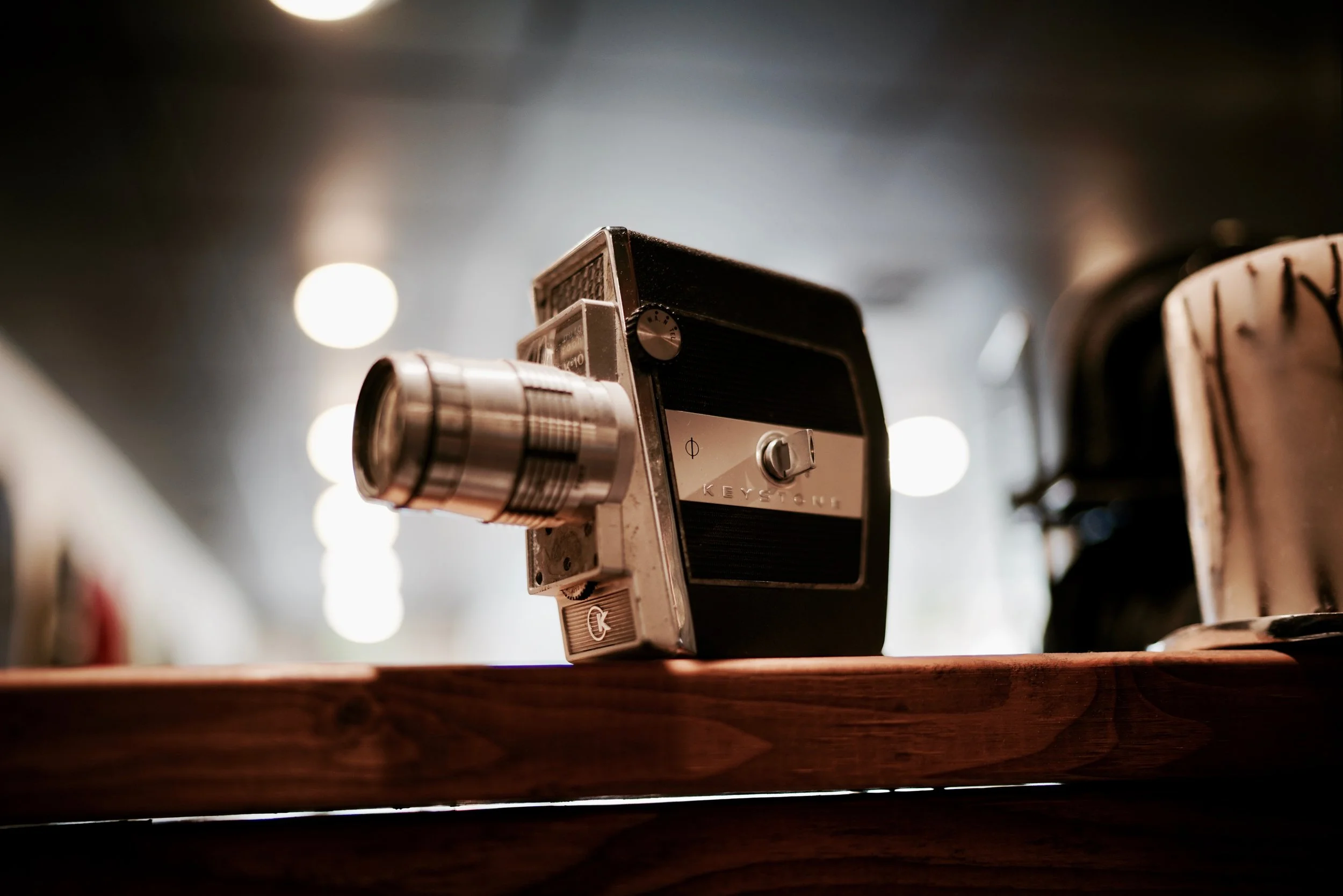
Image: From vintage 8mm cameras to modern-day video technology - a lot has changed in the world of wedding videography over the years!
The Origins of Videography: Early Innovations
The roots of videography can be traced back to the late 19th and early 20th centuries, a time when the world was on the brink of technological revolution. The invention of motion pictures marked a significant milestone in the history of visual storytelling. Pioneers like Thomas Edison and the Lumière brothers were among the first to experiment with moving images, laying the groundwork for what would eventually become the art of videography. Edison’s Kinetoscope, introduced in the 1890s, allowed individual viewers to watch short films through a peephole, while the Lumière brothers' Cinématographe was capable of projecting images for an audience, thus revolutionising the entertainment industry.
The journey of videography began with the development of film, a medium that would dominate the visual arts for decades. Early films were short, silent, and often black and white, yet they captured the imagination of audiences around the world. The introduction of celluloid film in the late 1880s was a game-changer, providing a flexible and durable material that could be used to record and project moving images. This innovation made it possible to create longer and more complex films, paving the way for the development of narrative cinema.
As the 20th century progressed, filmmakers began to experiment with new techniques and technologies, pushing the boundaries of what was possible with film. The introduction of synchronised sound in the late 1920s marked a significant turning point, giving rise to the "talkies" and forever changing the landscape of cinema. This period also saw the development of colour film, which added a new dimension to the visual storytelling experience. These early innovations laid the foundation for the art of videography, setting the stage for the technological advancements that would follow.
The Birth of Video Recording: From Analogue to Digital
The birth of video recording marked a significant shift in the way we capture and share moving images. The development of analogue video technology in the mid-20th century made it possible to record and playback moving images using magnetic tape. Early video recording systems, such as the Ampex VRX-1000, introduced in 1956, were large, expensive, and primarily used by television studios. However, the introduction of more compact and affordable video recording systems in the 1960s and 1970s made video recording accessible to a wider audience.
The transition from analogue to digital video recording in the late 20th century was a game-changer, offering numerous advantages over traditional analogue systems. Digital video recording provides higher image quality, greater storage capacity, and more flexibility in editing and playback. The introduction of digital video formats, such as the MiniDV in the mid-1990s, made it possible to record high-quality video on small, portable tapes. This technology was quickly adopted by professional and amateur videographers alike, revolutionising the way we capture and share our moments.
The advent of digital video also paved the way for the development of new technologies and platforms for sharing video content. The rise of the internet and the proliferation of digital devices have made it easier than ever to create, share, and consume video content. Online video platforms, such as YouTube, have democratised the distribution of video content, allowing anyone with a digital camera and an internet connection to reach a global audience. This has given rise to a new generation of content creators and transformed the way we experience and interact with video.

Image: Unveiling the Definitive History of Wedding Videography: From Home Movies to Cinematic Love Stories
Milestones in Videography: Key Developments Through the Decades
The history of videography is marked by a series of key developments that have transformed the way we capture and share moving images. Each decade has brought new innovations and advancements that have pushed the boundaries of what is possible with video technology. These milestones have not only shaped the art of videography but also influenced the way we communicate and experience the world around us.
The 1950s and 1960s were a period of rapid innovation in video technology, with the introduction of the first commercial videotape recorder (VTR) and the development of colour television. These advancements made it possible to record and broadcast high-quality video content, revolutionising the television industry. The introduction of portable video recording systems in the 1960s, such as the Sony Portapak, made it easier for filmmakers and journalists to capture and share video footage, paving the way for the rise of documentary filmmaking and independent video production.
The 1970s and 1980s saw the development of new video formats and technologies that further expanded the possibilities of videography. The introduction of the VHS (Video Home System) in the late 1970s made video recording more accessible to the general public, allowing people to record and playback video content at home. The development of camcorders in the 1980s made it possible to capture high-quality video footage on compact, portable devices, revolutionising the way we document our lives. This period also saw the rise of music videos and the birth of MTV, which transformed the way we experience music and visual storytelling.
The 1990s and 2000s were marked by the transition from analogue to digital video technology, which brought significant improvements in image quality, storage capacity, and editing capabilities. The introduction of digital video formats, such as MiniDV and DVD, made it easier and more affordable to produce and distribute high-quality video content. The rise of the internet and the proliferation of digital devices have further transformed the landscape of videography, making it possible to create, share, and consume video content on a global scale. Today, videography continues to evolve, with new technologies and platforms constantly pushing the boundaries of what is possible.

Image: VHS the format for the 80's and 90's with poor quality by today's standards of wedding videography!
The Impact of Television on Videography
Television has had a profound impact on the evolution of videography, shaping the way we capture, share, and consume video content. The rise of television in the mid-20th century revolutionised the entertainment industry, providing a new platform for visual storytelling and transforming the way people experienced moving images. Television brought video content into people’s homes, making it an integral part of daily life and creating a new demand for high-quality video production.
The introduction of colour television in the 1960s was a major milestone in the history of television and videography. This innovation added a new dimension to the viewing experience, making video content more engaging and visually appealing. The development of portable video recording systems in the same decade made it possible for filmmakers and journalists to capture and share video footage more easily, paving the way for the rise of documentary filmmaking and independent video production. Television became a powerful medium for storytelling, providing a platform for news, entertainment, and educational content.
The rise of cable television in the 1980s and 1990s further expanded the possibilities of videography, providing new opportunities for content creators and broadcasters. Cable television introduced a wide range of new channels and programming, catering to diverse audiences and interests. This period also saw the rise of music videos and the birth of MTV, which transformed the way we experience music and visual storytelling. The introduction of digital television in the late 20th century brought significant improvements in image quality and broadcasting capabilities, further enhancing the viewing experience.
Today, television continues to play a crucial role in the evolution of videography, with new technologies and platforms constantly pushing the boundaries of what is possible. The rise of streaming services and on-demand video has transformed the way we consume video content, providing greater flexibility and control over the viewing experience. Television remains a powerful medium for visual storytelling, shaping the way we capture and share our moments and influencing the future of videography.
The Rise of Home Videography: From Camcorders to Smartphones
The rise of home videography has been one of the most significant developments in the history of videography, transforming the way we document and share our lives. The introduction of camcorders in the 1980s made it possible for people to capture high-quality video footage on compact, portable devices, revolutionising the way we document our personal moments. Camcorders became a popular tool for recording family events, vacations, and everyday moments, providing a new way to preserve and share memories.
The transition from analogue to digital video technology in the late 20th century brought significant improvements in image quality, storage capacity, and editing capabilities, making it easier and more affordable to produce high-quality video content at home. The introduction of digital camcorders, such as the MiniDV, made it possible to record high-quality video on small, portable tapes. This technology was quickly adopted by amateur videographers and hobbyists, who used it to create and share their own video content.
The advent of smartphones in the early 21st century marked a new era in home videography, providing a powerful tool for capturing and sharing video content. Modern smartphones are equipped with high-resolution cameras and advanced video recording capabilities, making it easier than ever to capture high-quality video footage. The rise of social media platforms, such as YouTube, Instagram, and TikTok, has further transformed the landscape of home videography, providing new opportunities for content creation and sharing. Today, anyone with a smartphone can become a videographer, documenting and sharing their moments with a global audience.
The rise of home videography has democratised the art of videography, making it accessible to people of all ages and backgrounds. This has given rise to a new generation of content creators and transformed the way we experience and interact with video. Home videography has become an integral part of our daily lives, providing a powerful tool for storytelling and self-expression. As technology continues to evolve, the possibilities of home videography are endless, shaping the future of visual storytelling.
The Role of Videography in Modern Media
Videography plays a crucial role in modern media, shaping the way we capture, share, and consume content. The rise of digital video technology and the proliferation of digital devices have transformed the landscape of media, making it possible to create, share, and consume video content on a global scale. Videography has become an integral part of journalism, entertainment, marketing, and social media, providing a powerful tool for storytelling and communication.
In journalism, videography has become an essential tool for capturing and sharing news and events. The rise of digital video technology has made it easier and more affordable for journalists to capture high-quality video footage, providing a more immersive and engaging way to report the news. Video has become a crucial component of online news platforms, providing a powerful tool for visual storytelling and communication. The rise of citizen journalism and social media has further transformed the landscape of journalism, allowing anyone with a digital camera and an internet connection to capture and share news and events.
In the entertainment industry, videography plays a central role in the production of films, television shows, music videos, and online content. The rise of digital video technology has revolutionized the filmmaking process, providing greater flexibility and control over the production process. Video has become a crucial component of marketing and advertising, providing a powerful tool for engaging and communicating with audiences. The rise of social media platforms has further transformed the landscape of marketing, providing new opportunities for content creation and distribution.
In social media, videography has become an essential tool for self-expression and communication. The rise of platforms like YouTube, Instagram, and TikTok has democratized the creation and sharing of video content, allowing anyone to become a content creator. Video has become a powerful tool for storytelling and self-expression, providing a new way to connect and engage with audiences. Videography has transformed the way we experience and interact with media, shaping the future of communication and storytelling.

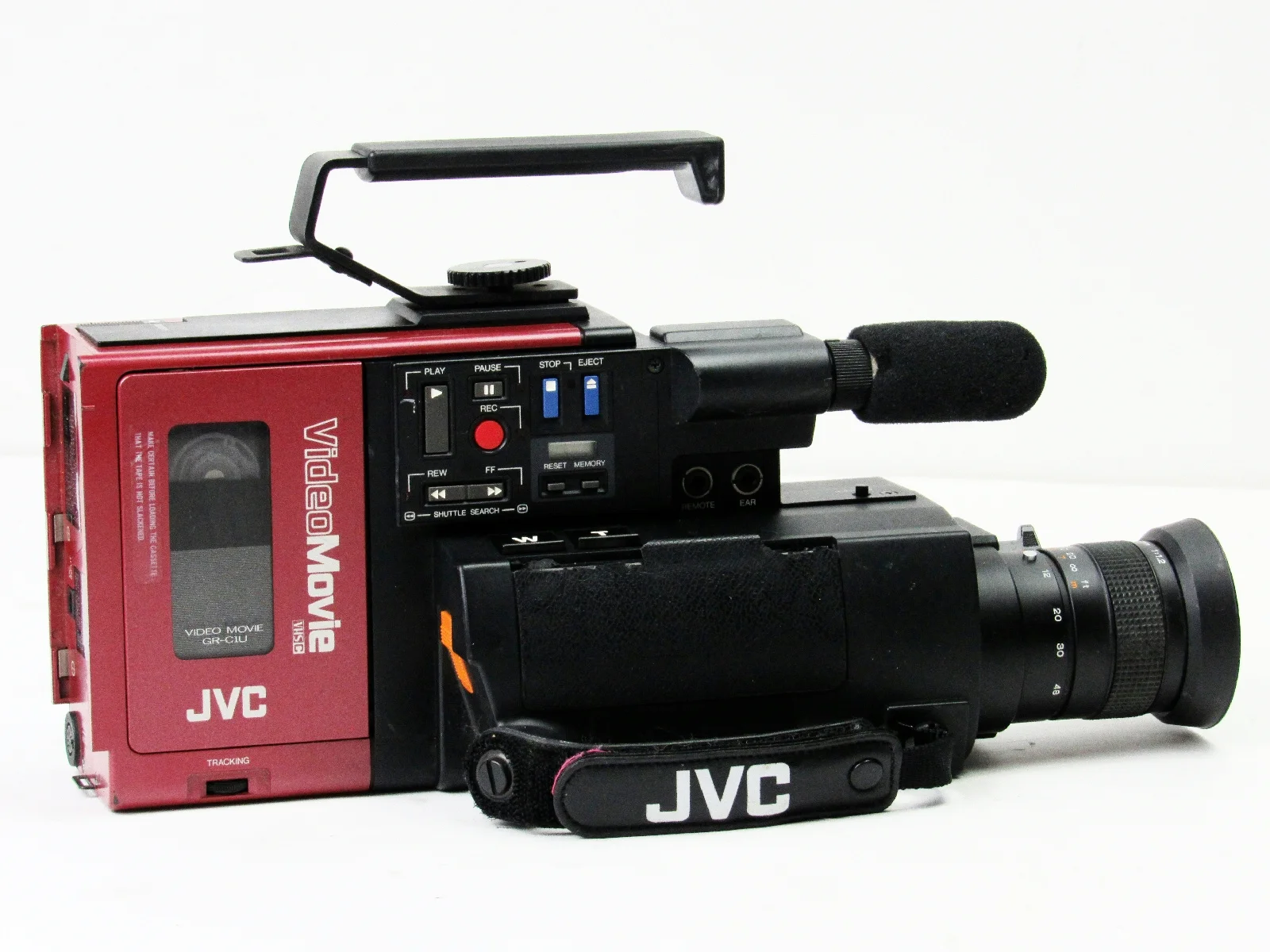
Images: An iconic retro 1980s JVC camcorder from the hit movie Back to the Future. Maybe your mum and dad’s wedding video was shot on something similar?
Influential Videographers and Their Contributions
The history of videography is marked by the contributions of influential videographers who have pushed the boundaries of the art form and transformed the way we capture and share moving images. These pioneers have not only shaped the evolution of videography but also influenced the way we experience and interact with visual storytelling.
One of the most influential figures in the history of videography is Thomas Edison, whose inventions laid the groundwork for the development of motion pictures. Edison's Kinetoscope, introduced in the 1890s, was one of the first devices capable of displaying moving images, providing a new way to experience visual storytelling. Edison also played a crucial role in the development of synchronised sound, paving the way for the "talkies" and forever changing the landscape of cinema.
The Lumière brothers, Auguste and Louis, were also pioneers in the early days of videography, developing the Cinématographe, a device that could both record and project moving images. Their films, such as "Workers Leaving the Lumière Factory," are considered some of the earliest examples of documentary filmmaking. The Lumière brothers' contributions to the development of motion pictures have had a lasting impact on the art of videography, influencing generations of filmmakers and videographers.
In the modern era, influential videographers such as Steven Spielberg and James Cameron have pushed the boundaries of what is possible with video technology. Spielberg's use of special effects and innovative storytelling techniques in films like "Jurassic Park" and "E.T. the Extra-Terrestrial" has revolutionised the filmmaking process and set new standards for visual storytelling. Cameron's groundbreaking work in films like "Titanic" and "Avatar" has pushed the limits of digital video technology, providing a glimpse into the future of videography.
These influential videographers and their contributions have shaped the evolution of videography, transforming the way we capture and share moving images. Their work has not only advanced the art form but also influenced the way we experience and interact with visual storytelling, paving the way for the future of videography.
Future Trends in Videography: What Lies Ahead
The future of videography is shaped by the continuous advancements in technology and the ever-evolving landscape of media. As we look ahead, several key trends are likely to influence the direction of videography and transform the way we capture and share moving images.
One of the most significant trends in the future of videography is the rise of virtual reality (VR) and augmented reality (AR). These technologies have the potential to revolutionise the way we experience video content, providing immersive and interactive experiences that go beyond traditional video. VR and AR are already being used in various industries, from entertainment and gaming to education and training, and their applications are likely to expand in the coming years. As VR and AR technology continue to evolve, it will open up new possibilities for videographers and content creators, providing a new way to engage and connect with audiences.
Another key trend in the future of videography is the increasing use of artificial intelligence (AI) and machine learning. These technologies have the potential to transform the video production process, providing new tools for editing, enhancing, and analysing video content. AI-powered video editing software can automate time-consuming tasks, such as cutting and splicing, making it easier and more efficient to produce high-quality video content. Machine learning algorithms can also be used to analyse video footage and identify patterns and trends, providing valuable insights for content creators and marketers.
The rise of 5G technology is also likely to have a significant impact on the future of videography. With faster data speeds and lower latency, 5G will enable the seamless streaming and sharing of high-quality video content, providing a new level of convenience and accessibility. This technology will also support the development of new video applications and platforms, providing new opportunities for content creation and distribution. As 5G technology becomes more widely adopted, it will transform the way we consume and interact with video content, shaping the future of videography.
As we look to the future, it is clear that the possibilities of videography are endless. The continuous advancements in technology and the ever-evolving landscape of media will provide new opportunities for content creators and videographers, pushing the boundaries of what is possible and transforming the way we capture and share our moments.

Image: Modern audio for your modern wedding videography
Conclusion: The Enduring Legacy of Videography
Videography has come a long way since its early beginnings, evolving from the invention of motion pictures to the rise of digital video technology and beyond. The journey through the history of videography is marked by a series of groundbreaking innovations and influential figures who have pushed the boundaries of the art form and transformed the way we capture and share moving images. From the early pioneers like Thomas Edison and the Lumière brothers to modern-day visionaries like Steven Spielberg and James Cameron, the contributions of these influential videographers have shaped the evolution of videography and influenced the way we experience visual storytelling.
The impact of videography on modern media cannot be overstated. It has become an integral part of journalism, entertainment, marketing, and social media, providing a powerful tool for storytelling and communication. The rise of digital video technology and the proliferation of digital devices have made it possible to create, share, and consume video content on a global scale, democratizing the art of videography and giving rise to a new generation of content creators.
As we look to the future, the possibilities of videography are endless. The continuous advancements in technology, such as virtual reality, augmented reality, artificial intelligence, and 5G, will provide new opportunities for content creation and distribution, pushing the boundaries of what is possible and transforming the way we capture and share our moments. The enduring legacy of videography is one of innovation, creativity, and storytelling, shaping the way we experience and interact with the world around us.
Videography has forever changed the way we document and share our lives, providing a powerful tool for preserving memories and telling stories. As technology continues to evolve, the art of videography will continue to adapt and grow, providing new ways to capture and share our moments. The journey through the history of videography is a testament to the power

Image: Race Wedding Videography’s modern editing and mixing studio in Suffolk